A BiPAP machine, a non-invasive ventilator (NIV), is a crucial tool for those struggling with breathing issues caused by Pompe disease. Contrary to popular belief, the challenge with Pompe is not in breathing in oxygen, but in expelling carbon dioxide. When carbon dioxide accumulates in the body, oxygen levels drop, leading to symptoms like confusion, drowsiness, and ultimately respiratory failure, also known as respiratory insufficiency. So, having a BiPAP machine can be a game-changer for those dealing with Pompe-related breathing difficulties.
Heads up: many of us with Pompe disease often carry a medical alert card that instructs emergency responders not to administer oxygen or lay them flat, as this could actually make their breathing worse instead of helping.
My BiPAP machine sits on the side of my bed, and with a mask that fits over my mouth and nose, it helps me breathe in and out while I sleep.
At first, it might seem a little scary to wear a mask to bed, but it quickly becomes a normal part of my routine.
The benefits of using a BiPAP machine are amazing. It has given me a new lease on life, allowing me to wake up without a headache or feeling sick. It’s definitely worth it!
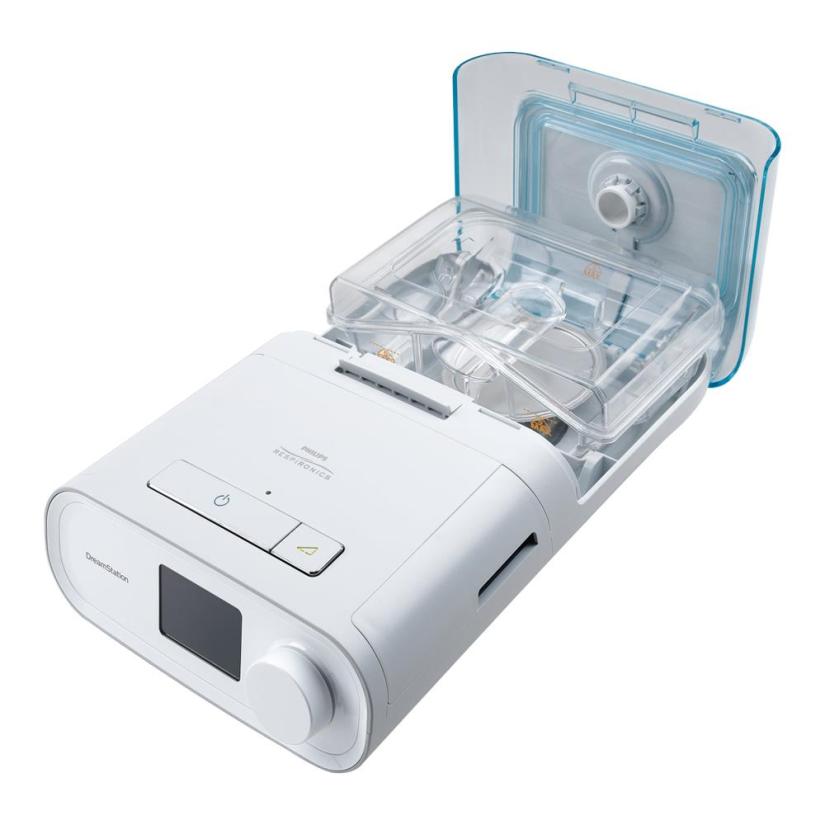
Having Pompe can really mess with your breathing. If you’re struggling with that, a BiPAP machine might be just what you need. It’s short for bilevel positive airway pressure ventilator, and it’s a lifesaver when it comes to helping you breathe easier.
Normally, your lungs expand when you take a breath. This happens because your diaphragm, the main muscle for breathing in your chest, moves downward, causing the pressure in your lungs to drop. This drop in pressure allows air to rush in and fill your lungs with oxygen.
A BiPAP machine works by pushing air into your lungs through a face or nasal mask connected to the ventilator. The machine delivers pressurised air into your airways, helping to open up your lungs with that extra pressure.
BiPAP is just one type of positive pressure ventilator. With BiPAP, your lungs get that extra boost of air pressure when you breathe in and out, but the pressure is higher when you breathe in. This is different from other ventilators, like CPAP machines used for sleep apnoea and snoring, which deliver the same amount of pressure when breathing in.
