Muscle Weakness
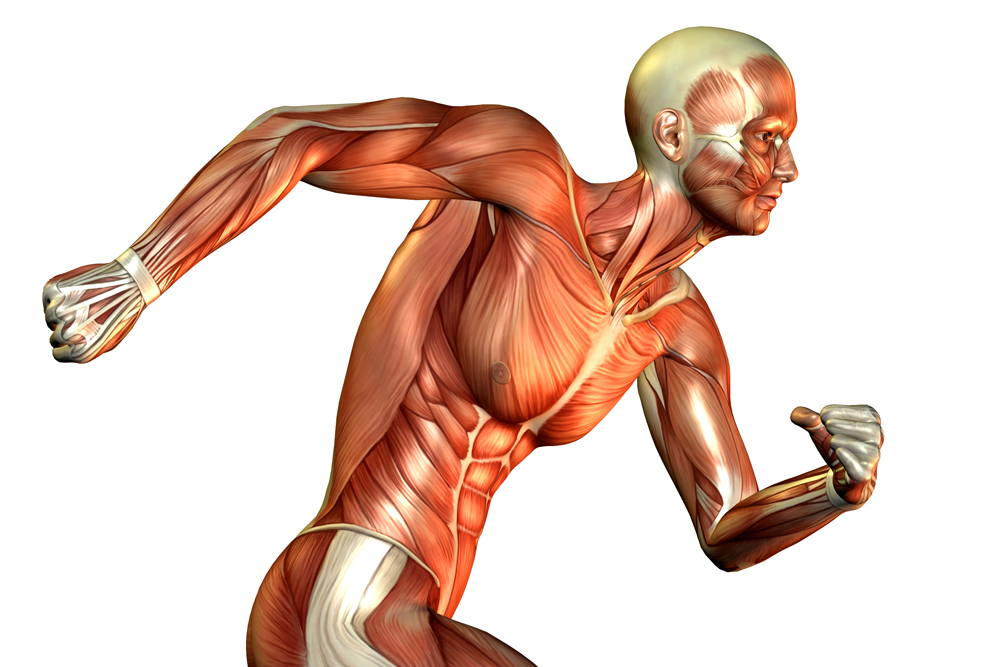
Mobility issues
Waddling gait – The way in which people with Pompe walk is usually noticeable as it has a distinctive gait which appears to involve ‘throwing’ the hips forward to move.
Trouble walking – As the muscles get weaker many people struggle to walk and as a result need to use a walking frame or wheelchair.
Drop Foot – As muscles become weaker and the individual becomes tireder then the ability to raise the foot high off the ground becomes harder. This often leads to the toes touching the floor on the forward step and the individual tripping up.
Difficulty rising from a seated position – As muscles weaken simple tasks such as rising from a chair or from the ground becomes more difficult with putting pressure on a surface or having assistance.
Difficulty carrying and/or lifting – Carrying a parcel automatically needs a degree of strength but it also needs the core muscles to maintain the frame of the person to remain upright and stable.
Bending – As Pompe progresses bending becomes an issue due to muscle weakness but also in many people the ability to breath when the diaphragm becomes paralysed.
Muscle cramps – Pompe patients sometimes complain of muscle cramps and spasms. This often happens when relaxed and stops the individual from sleeping.
Regular falls – The core muscles are needed for stability and as these deteriorate then the body has to fight harder to remain upright causing individuals to fall. This also happens when the leg muscles are weak and the individual becomes easily unbalanced.
Respiratory issues:
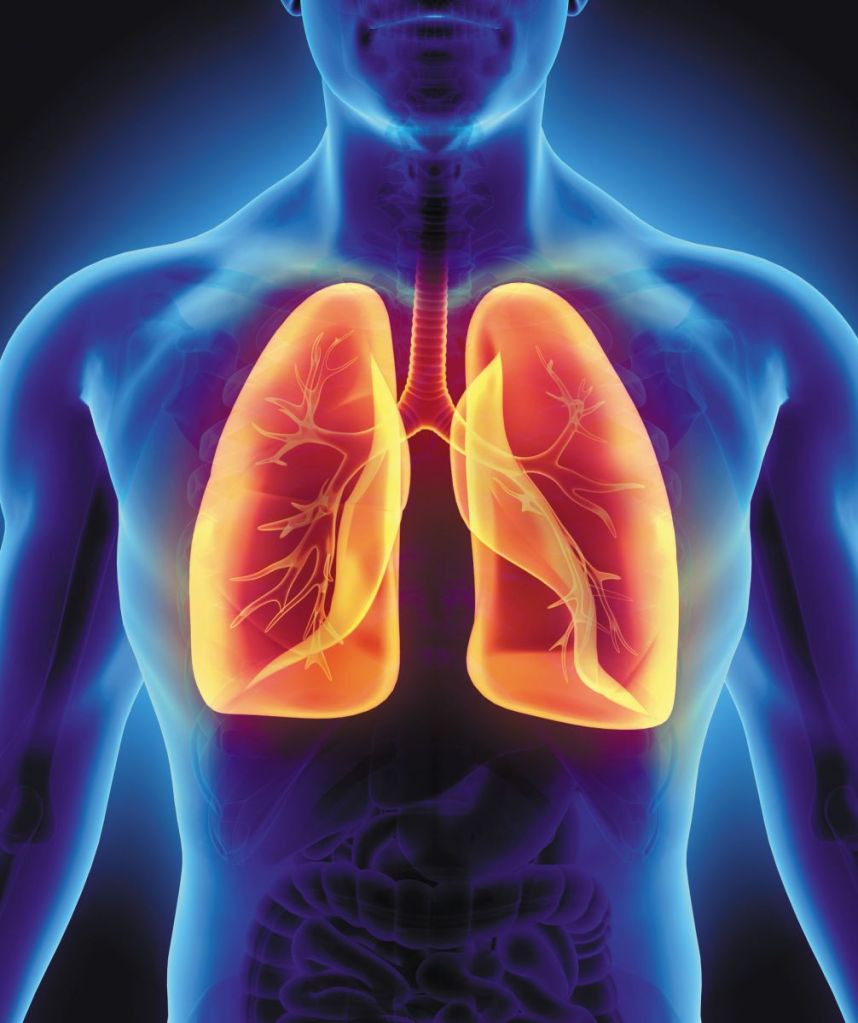
Breathlessness when undertaking simple tasks – This is usually the first signs of having Pompe for those that have respiratory insufficiency.
Difficulty breathing unaided – Breathing is a fundamental need but with Pompe the core muscle damage often results in the diaphragm weakening causing breathing issues.
Difficulty breathing when reclined or lying down – If the core muscles are damaged and the diaphragm doesn’t work well then the only force helping with breathing is gravity, which works best on the diaphragm when the individual is upright.
Increased amount of chest infections – Muscle weakness in the chest stops the body clearing infections easily and causes build up on the lungs leading to an increased risk of infections.
Respiratory insufficiency and/or failure – Many people, not all, with Pompe need assistance to breath when reclined or lying down and use a BiPAP machine to help with their breathing.
Impaired alertness – As lying down becomes harder and sleep less easy to achieve many struggle with alertness. This is often lessened or removed by the use of a BIPAP machine.
Difficulty coughing to clear airways – This is an issue for some with muscle weakness as the muscles are too weak to allow the individual to cough hard enough to clear congestion, there are techniques such as cough assist, and tools that can help with this.
Dry mouth whilst using BiPAP – Having a machine that breathes in and out for a person may sound disconcerting and frightening but many live with very successfully, the main complaint is a dry mouth.
Digestion
Difficulty swallowing – When the throat muscles become weaker swallowing can become difficult and many choose foods that have a high liquid content or that have a sauce to make it easier to swallow.
Struggling to breathe when stomach feels full – This is becoming an issue for many as when the stomach is full it pushes against the diaphragm and causes the individual to struggle gaining breath.
Not wanting to eat or feeling you can’t – Pompe affects all muscles including the stomach and often people struggle to eat full meals, many choose small qualtities often rather than eating it all in one sitting.
Speech
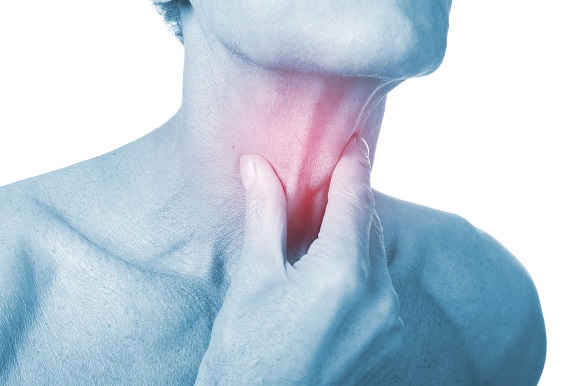
Change in tone and pattern – Muscle weakness acts on the vocal box muscles affecting the tone of the voice, often making it softer.
Difficulty maintaining volume or duration – With a weakened diaphragm speaking aloud can be affected often leading to a quieter volume.
Whole Body
Continence issues (frequency and urgency) – Many people complain continence issues, mainly frequency and urgency.
Feeling cold – As the carbon dioxide builds up in the blood and the oxygen is decreased the body loses its ability to maintain its heat, leaving many with Pompe to feel constantly cold and tired. Using the BiPAP often helps with this feeling, albeit for a short time.
Mental health issues – Ask for help if you are feeling low or worried. Having a degenerative, terminal disease that slowly takes away you ability to do simple normal tasks affects your mental wellbeing and is, in some ways, like having post traumatic stress disorder and needs to be taken seriously.
Raised liver function indicators – With muscle residue being flushed away through the liver it shows raised markers when blood tests are requested by the doctor, this is usually shown as creatine kinase (CK) levels. A CK blood test may be used to detect inflammation of muscles (myositis) or muscle damage due to muscle disorders (myopathies), such as Pompe.
